

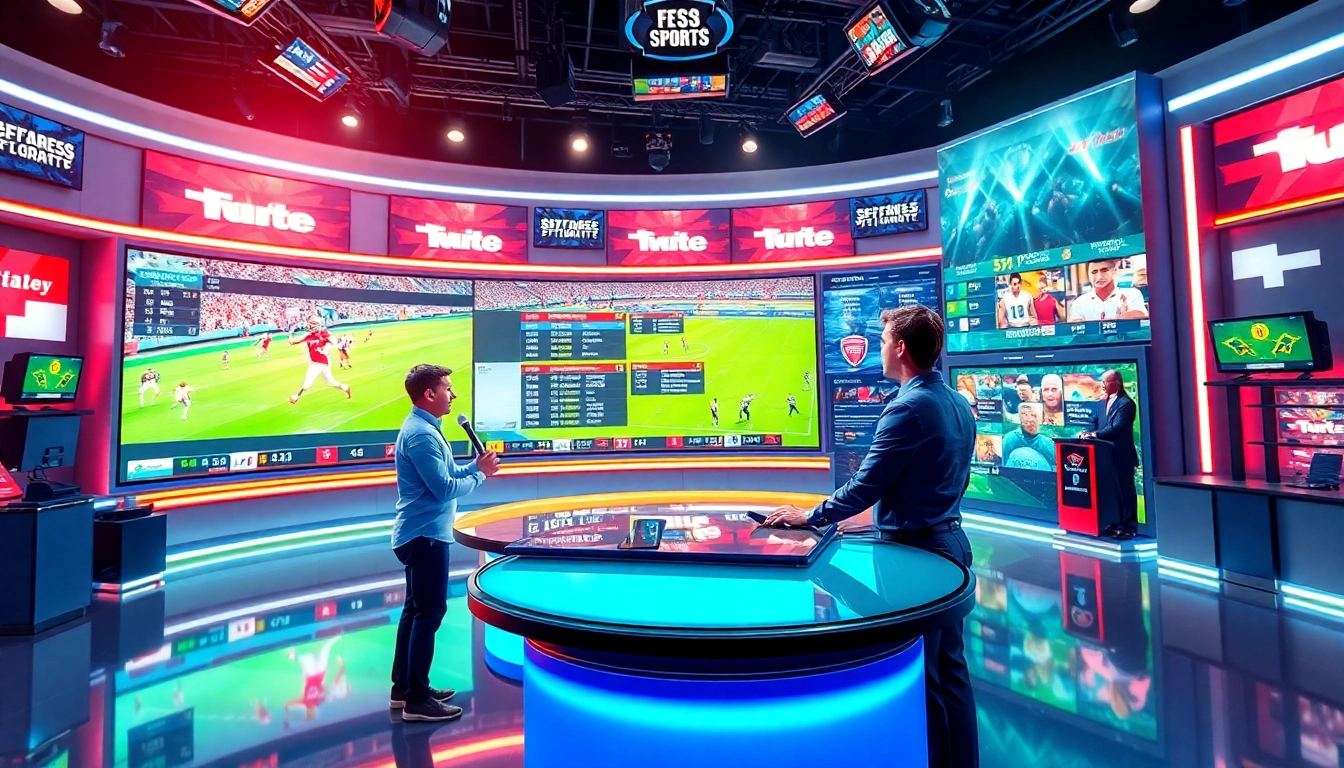
The Evolution of Sports Broadcasting
Historical Overview of Sports Broadcasting
Sports broadcasting has a rich history that traces back to the early 20th century, when radio became a viable medium to relay live sports events to a captivated audience. The first notable sports broadcast was a boxing match in 1921, which introduced listeners to the excitement of live commentary. As technology advanced, the televised era began in the late 1940s, forever changing the landscape of Sports Broadcasting. Iconic moments, such as the 1958 NFL Championship game, aired on national television, showcasing the power of visibility and establishing a burgeoning relationship between sports and broadcasters.
During the 1980s and 1990s, cable networks emerged, providing niche sports channels that catered to diverse audiences. This era saw the advent of ESPN, which brought numerous sporting events into homes across America. The development of the Internet in the late 1990s marked another evolution, allowing for real-time sports updates and an explosion of online fan engagement. Today, sports broadcasting encompasses a multitude of platforms and formats, including live streaming, social media snippets, and mobile applications that deliver instantaneous coverage to fans worldwide.
Technological Advancements Shaping Broadcasting
Technological advancements have been pivotal in transforming how we experience sports broadcasting. The introduction of high-definition (HD) and 4K resolution improved visibility, while advancements in sound technology created immersive audio experiences. Furthermore, graphics and data visualization tools allow broadcasters to present rich statistics, enhancing the viewer’s understanding of the game.
Augmented reality (AR) and virtual reality (VR) are becoming key features, offering fans unique perspectives and interactive experiences. For example, AR overlays on broadcasts provide real-time player statistics or detailed play breakdowns, enriching the viewing experience. The advent of 5G technology is also a game-changer, facilitating faster data transmission for high-quality streaming without interruptions and allowing for more reliable mobile broadcasting.
Current Trends in Sports Broadcasting
The world of sports broadcasting is continuously evolving, adopting trends that cater to an increasingly sophisticated audience. A significant trend is the shift from traditional cable broadcasting to digital streaming platforms, driven by consumer preferences for on-demand content. Many fans now prefer to watch games and highlights on platforms they can access anytime, anywhere, leading to a rise in subscription-based services like Hulu Live and YouTube TV.
Additionally, personalization is becoming crucial, with broadcasters providing tailored content that aligns with individual viewer preferences. Data analytics allows for targeted advertising and content recommendations, enhancing viewer engagement. Social media is also playing a significant role; platforms like Twitter and Instagram have become essential for real-time interaction and community building around sports events.
Key Components of Effective Sports Broadcasting
Understanding the Audience and Their Preferences
To create an effective sports broadcast, it is essential to have a deep understanding of the audience. Each demographic group, whether millennials, Gen Z, or older generations, has unique preferences regarding how they consume sports content. Surveys and audience analytics can help broadcasters target their content and production style to cater to specific viewer preferences. For instance, younger viewers often gravitate towards shorter, more dynamic content, while older audiences may prefer in-depth analysis and longer programming.
Engagement strategies should also consider cultural factors and regional interests. Tailoring broadcasts to include local teams or languages can enhance viewership significantly. Furthermore, interactive features such as live polls and social media integration during broadcasts foster stronger connections with audiences, encouraging them to engage more actively.
Essential Equipment for Sports Broadcasting
The equipment used in sports broadcasting is critical for ensuring high-quality production values. Cameras are at the forefront; multi-angle coverage can capture the action from various perspectives, enhancing engagement. Equipment such as stabilizers and drones are increasingly popular, providing aerial shots that offer a unique view of events.
Audio equipment is equally important. High-quality microphones and sound mixing equipment ensure that commentary is clear, and ambient sounds contribute to the atmosphere. Additionally, flexible broadcasting setups, including portable production tools for on-site coverage, have become increasingly popular, allowing broadcasters to go where the action is.
Production Techniques that Captivate Viewers
Production techniques play a critical role in engaging viewers during a sports broadcast. Effective storytelling is paramount—each event has its unique narrative that broadcasters can highlight through commentary and visuals. This means showcasing not just the action on the field but also player backgrounds, team histories, and situational narratives that resonate with viewers.
Utilizing slow-motion replays and dynamic graphics also helps to captivate the audience’s attention during critical moments. The pacing of the broadcast should be carefully managed to maintain viewer interest. For instance, incorporating quick cuts between highlights, interviews, and analysis creates a dynamic viewing experience that keeps audiences engaged throughout the event.
The Role of Analysis in Sports Broadcasting
Data-Driven Insights for Enhanced Coverage
Data, in the current broadcasting ecosystem, serves as a backbone for enhanced sports coverage. Access to real-time statistics and advanced analytics enables broadcasters to offer deeper insights to viewers. This includes player performance metrics, team statistics, and even predictive analyses that anticipate game outcomes based on historical data.
For example, using heat maps to show player movement or advanced metrics like Expected Goals (xG) can provide audiences with a nuanced understanding of the game that goes beyond traditional stats. The challenge is to present this information in an engaging way so that it complements the live action without overwhelming the viewer.
Utilizing Analytics to Boost Engagement
Digital analytics are crucial for understanding viewer behavior and preferences. Broadcasting networks can track engagement metrics through platforms and refine their strategies based on this data. For instance, live metrics can identify which segments of a broadcast keep viewers tuned in or when they drop off, allowing networks to adjust future programming and content delivery for better performance.
Moreover, incorporating audience-interaction features driven by analytics—like viewer polls or social media discussions—can increase engagement and establish a community feeling among fans, enriching the overall viewing experience.
Case Studies of Successful Sports Analysis
Effective sports analysis has transformed the way audiences consume information during broadcasts. Notable examples include in-depth player performance breakdowns and strategic game analysis provided by networks like ESPN and NBC Sports. These segments not only educate viewers on what’s happening in the game but also engage them in a deeper conversation about strategies and game mechanics.
Additionally, using graphics that visualize key moments in a game—such as player positioning during a crucial goal or turnover—offers fans a comprehensive perspective that traditional coverage couldn’t provide. By employing expert analysts who can articulate these insights clearly, broadcasters can enhance viewer engagement and appreciation for the complexities of the game.
Challenges Facing the Sports Broadcasting Industry
Regulatory and Licensing Issues
The sports broadcasting landscape faces numerous regulatory challenges, primarily regarding licensing and rights management. As the demand for exclusive content grows, licensing agreements become more complex, leading to significant negotiations between leagues and broadcasters. Additionally, regulatory bodies impose restrictions in various markets, which can impact market access and the availability of certain content.
Broadcasting organizations must navigate these regulations carefully to avoid legal pitfalls and ensure compliance. Being proactive in securing rights and maintaining strong relationships with sports leagues is paramount for successful broadcasting.
Adapting to Market Changes and Consumer Behavior
The shift in how audiences consume sports content is perhaps the most significant challenge broadcasters face today. Traditional cable subscriptions are declining as audiences pivot to digital streaming. To remain competitive, broadcasters must innovate and develop new delivery methods that meet changing consumer preferences.
Emphasizing flexibility, broadcasters should invest in multi-channel strategies that incorporate both traditional broadcasting and digital offerings. This will accommodate various viewing habits, ensuring they reach all segments of their audience.
Combatting Piracy and Copyright Concerns
With the rise of digital streaming, piracy poses a substantial threat to the sports broadcasting industry. Unauthorized streams diminish potential revenue for broadcasters and leagues alike. Employing advanced technological solutions to combat piracy, like encryption and watermarking, is essential for safeguarding content.
Broadcasters must also engage in public awareness campaigns, emphasizing the benefits of legitimate streaming options over unauthorized access. By fostering a better understanding of copyright issues, broadcasters can help protect their revenue streams while improving overall viewer trust in the industry.
Future Outlook for Sports Broadcasting
Emerging Technologies and Innovations
The future of sports broadcasting is likely to witness continued innovation driven by technology. Artificial intelligence (AI) is expected to play a more significant role in content creation and analysis, generating highlights and summaries automatically based on live feeds. This could free up resources and allow broadcasters to focus on more compelling storytelling and viewer engagement.
Moreover, blockchain technology may redefine rights management and ticket sales, offering secure and transparent transactions for both broadcasters and consumers, enhancing trust and efficiency in the industry.
The Importance of Localized Content
As audiences become increasingly diverse, the demand for localized content will grow. Tailoring broadcasts to reflect local languages, culture, and sporting preferences will be crucial for attracting and retaining viewers. Networks must explore opportunities to provide community-focused coverage that resonates deeply with local fanbases, enhancing viewer loyalty.
Preparing for the Next Generation of Viewers
Understanding and preparing for the next generation of viewers is essential. Younger audiences are more engaged with interactive, on-demand content than traditional broadcasts. Networks that focus on producing quick, digestible segments tailored for platforms like TikTok or Instagram will likely capture this demographic. Additionally, engaging with eSports and other emerging sports will be important for appealing to young viewers who prioritize different types of content.
Frequently Asked Questions
1. What is sports broadcasting and how does it work?
Sports broadcasting refers to the transmission of live sports events and related programming via television, radio, or online platforms. It includes commentary, analysis, and highlights.
2. What technologies are changing sports broadcasting?
Emerging technologies include augmented reality, 5G connectivity, and data analytics tools that enhance viewer experiences and streamline broadcasting processes.
3. How do broadcasters engage audiences?
Broadcasters use social media, interactive features, and viewer polls to engage audiences, creating a more immersive viewing experience.
4. What challenges does sports broadcasting face today?
Challenges include navigating licensing regulations, adapting to changing consumer preferences, and addressing piracy issues that impact revenue.
5. What trends are shaping the future of sports broadcasting?
Trends include increased focus on digital platforms, personalized content, and the integration of virtual reality experiences for fans.